



Trying to get pregnant can be an exciting, but emotionally exhausting experience. You spend many years trying to control your fertility—in other words trying not to get pregnant—and then when you’re actually ready, you begin to obsess over the plan. You find yourself Googling “How to Get Pregnant,” looking for the best fertility foods to support conception, and tracking your ovulation with different tests and apps. The good news is none of that is wasted time.
There are many things you can do now to prepare your body (and your life!) for pregnancy before you’re even ready to take that first test.
So if you’ve dubbed this your baby making era, allow us to introduce you to your to-do list on how to get pregnant— new habits and rituals to add into your routine when you’re trying to conceive.
1. Schedule a Pre-Conception Appointment
Take the time to set up a meeting with your OB/GYN or healthcare provider to discuss your TTC plans, your health history, any medications or supplements you’re currently taking, existing conditions, and any necessary pre-conception testing they recommend.
Not only can your doctor provide you with their own TTC advice, but they will factor your complete health snapshot into the mix, including any labs that should be run before you start trying.
2. Start Taking a Prenatal Vitamin Before You Get Pregnant
You don’t have to wait to see “Positive” on a test before you pop your first prenatal vitamin. In fact, experts recommend preparing your body for pregnancy as early as six months to a year before you’re ready to start trying and that includes starting a prenatal vitamin with at least 400 mcg of folate.That’s because the neural tube, which becomes the baby’s brain and spinal cord, forms in the first 28 days after conception, often before many people know they’re pregnant.
Perelel, an OB/GYN-founded vitamin company, takes a stage-specific approach to maternal health, with formulations designed to support women from preconception through pregnancy and postpartum. For example, its Conception Support Pack was developed with top fertility doctors specifically for the preconception stage.
The Conception Support Pack functions as your complete prenatal nutrition for conception with 20+ key vitamins and minerals, like CoQ10 for egg health and folate with choline for baby’s early neural tube development.
And before you start another search for clean prenatal vitamins, you’ll be glad to know that Perelel is third-party tested for 100+ contaminants and a Clean Label Project Purity Award Winner, having been rigorously screened for heavy metals, pesticides, and plastics.
3. Get Your Partner Involved
Prenatal vitamins aren’t just for women. Yes, you read that correctly. Trying to conceive should involve your partner’s routine too, adding in a supplement like Perelel’s Men’s Multi Support Pack which may support sperm health, overall health, immunity, and energy.
The Men’s Multi Support Pack and Conception Support Pack, found in Perelel’s Baby Making Duo, were created to support you and your partner when trying to conceive.
Fertility isn’t all on your shoulders since men are 50% of the equation too, so establishing a complete vitamin routine for him is a great preconception item to add to the How to Get Pregnant checklist.

4. Get to Know Your Cycle
If you haven’t already, now is the time to download a fertility tracking app that allows you to calculate your cycle length and ovulation dates, as well as keep tabs on your fertility window for the best time to get pregnant.
This information is helpful to have on hand when meeting with your doctor as well should you find any irregularities with your cycle length that could have an effect on your fertility.
If you want to forgo using an app for ovulation, you can track your basal body temperature (BBT), your body’s resting temperature, every morning before getting out of bed which measures to two decimal places (e.g., 97.45°F) so it can catch the small temperature shift after ovulation. A sustained temperature rise for at least three consecutive days can confirm ovulation has occurred. Because it shows ovulation after the fact, BBT is most useful charted over a few cycles to spot your pattern and predict your fertile window going forward.
5. Dive Into Your Daily Nutrition
While there’s no magic menu guaranteed to help you get pregnant (sorry, sardines), trying to conceive is still a great time to take a closer look at your overall nutrition.
You can support your TTC journey by making sure you’re eating whole, nutrient-dense foods, and getting an adequate amount of healthy fats, omega-3 fatty acids, and protein, whether that comes from plants, lean sources, or supplements like Perelel’s Triple-Support Protein.
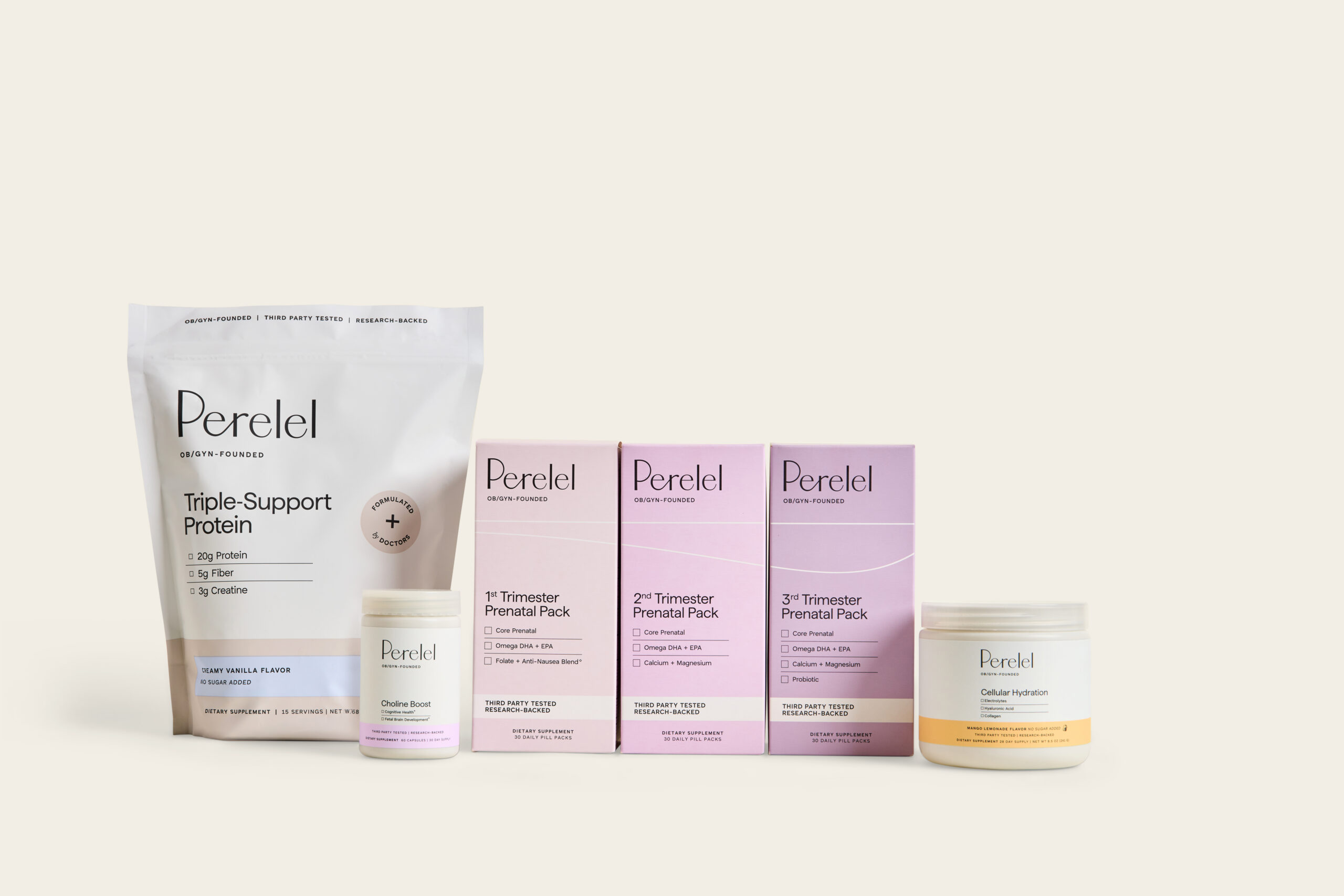
The Triple-Support Protein Powder makes it easy to incorporate 20g of plant-based protein into your daily routine, along with 5g of fiber, 3g of creatine, and no added sugar.
“I add the Triple-Support Protein into my morning smoothie with one banana, a tablespoon of peanut butter, almond milk, and ice,” says Mini’s Editor-in-Chief Kate Kirby. “It’s delicious!”
6. Review Your Medications and Supplements
When you’re on a How to Get Pregnant quest, it calls for holding a magnifying glass up to what you’re putting into your body each day— and that means your medications and supplements.
Don’t take TTC as your excuse to pile a bunch of supplements in your morning pill box. You will want to discuss each one with your doctor to ensure it is both safe for use during this time and whether it actually supports your goals of getting pregnant.
7. Take Care of Your Oral Health
If you’ve been putting off that trip to the dentist, go ahead and add it to your pre-pregnancy calendar. Staying on top of routine dental appointments and taking care of any overdue dental work now can help you head into pregnancy with a clean slate for maintaining your oral health.
Pregnancy can also make you more susceptible to oral health issues like gingivitis and cavities, so good dental hygiene becomes especially important once you’re expecting.
Be sure to keep up with brushing and flossing and always tell your dentist that you are TTC or pregnant so they can adjust your treatment plan and any medications, if necessary.
8. Build Healthy Habits
Before you get pregnant, you’ll want to ensure you’re building healthy habits that will sustain you into your pregnancy.
Start by asking yourself the following questions: What does your sleep schedule look like? Are you getting enough hydration throughout the day? How are you handling stress? Are you taking the necessary steps to avoid smoking and alcohol use? How are you incorporating exercise?
On the sleep front, make getting enough consistent sleep part of your preconception routine (shoot for those eight hours!). If your nightly wind-down currently involves an hour of doomscrolling in bed, TTC might be the motivation you need to finally give your phone a rest too.
Staying hydrated is another major component of How to Get Pregnant. Women generally need about 9 cups of fluids per day, but that can be easier said than done.
If you find it tricky to up your water intake, adding a hydration powder like Perelel’s Cellular Hydration Powder—packed with electrolytes, collagen, and hyaluronic acid—can give you the boost you’re looking for. What’s even better is that the powder is both pregnancy and breastfeeding safe so you can keep it up when you step into the next stage!
9. Know When to Ask for Fertility Help
Remember that the TTC journey looks different for everyone and sometimes you get by with a little help from your friends— your fertility friends, that is. If you are under 35 and have not conceived after 12 months of trying, doctors recommend seeking help. For those 35 and older, it is recommended to seek help after 6 months of trying.
Your OB/GYN or fertility specialist can review your medical history and decide whether fertility testing makes sense for you or your partner. Tests can include blood work to check your hormones, an Anti-Müllerian Hormone (AMH) test to provide information about your ovarian reserve, and a semen analysis.
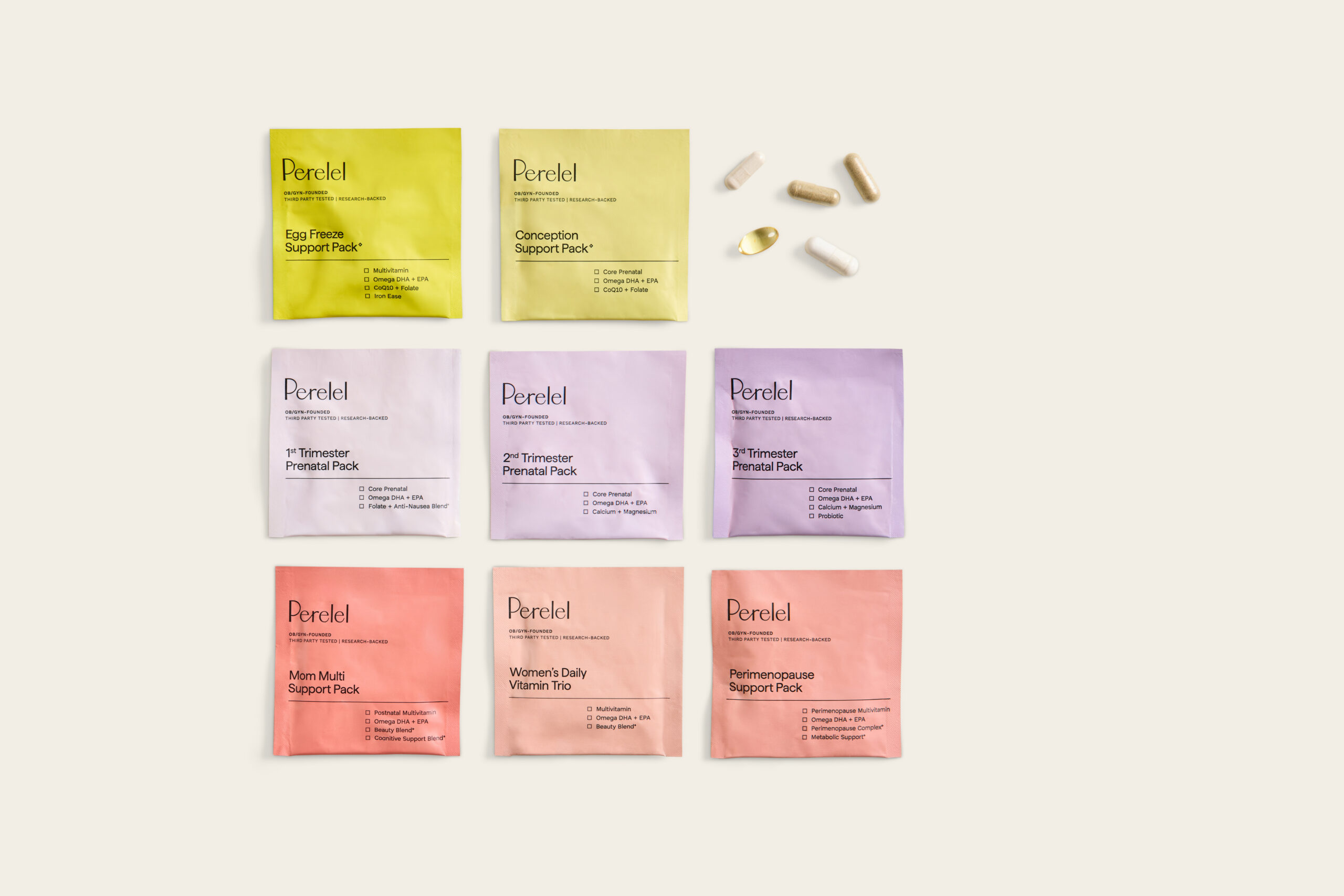
For those looking for additional support while trying to conceive, Perelel also offers Fertility+ Support, designed for both women and men to provide egg and sperm support.
And if testing is recommended, your doctor can review the results with you and create a treatment plan based on your individual needs.
10. Think One Step Ahead
When you successfully check the How to Get Pregnant box, your nutritional needs will keep evolving, from trimester to trimester, as your baby grows. Allow yourself to think ahead to that time and what parts of your routine will need to shift.
Perelel offers trimester-specific vitamin packs that support baby’s development by stage. For example, its 1st Trimester Prenatal Pack is formulated to support baby’s early development and includes extra vitamin B6 and ginger root powder for built-in nausea support.
If you’re about to embark on your TTC journey, let this list help prepare you for all of the changes to come and how you can feel both organized and excited along the way.
This post is sponsored by Perelel.

This post contains affiliate links. When you buy through links on our site, we may earn a commission at no extra cost to you.
This post contains affiliate links. When you buy through links on our site, we may earn a commission at no extra cost to you.